How Documentation Shapes Business Accountability
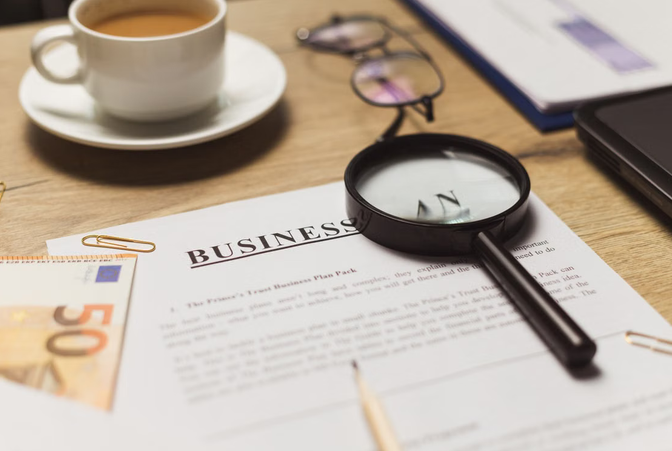
Clear documentation is the foundation of business accountability, providing a reliable record of financial activities, operational decisions, and regulatory obligations. Accurate records make it easier to verify transactions, monitor performance, and demonstrate transparency to stakeholders, auditors, and regulatory authorities. Many organizations use bookkeeping services for small businesses in Brisbane to maintain well-organized financial documentation that supports consistent reporting and informed decision-making. Well-managed records also reduce the risk of errors while creating a clear history of business activities over time. Understanding the value of thorough documentation reveals why it remains an essential part of responsible and accountable business management.
How Documentation Creates Clear Records
Every business activity generates information that may need to be referenced in the future. Purchase orders, invoices, contracts, meeting notes, and operational reports provide evidence of actions that have taken place. Keeping these records organized allows businesses to verify information when questions arise or when reviewing previous decisions. Clear documentation reduces uncertainty by creating a dependable history that supports both daily operations and long-term planning.
The Role of Documentation in Decision Making
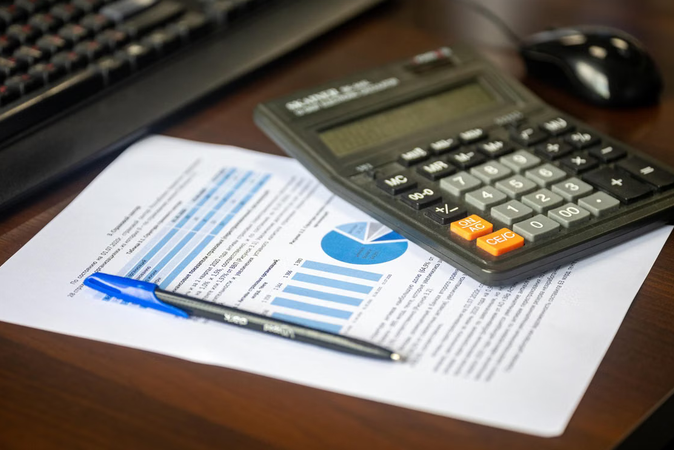
Business decisions are often based on information gathered over time. Well-maintained documentation provides managers and employees with access to accurate records that support informed choices. Financial reports, performance data, customer records, and operational documents help organizations evaluate past outcomes before making future decisions. By preserving reliable information, documentation contributes to more consistent and objective decision-making throughout the business.
How Documentation Supports Compliance
Many businesses are required to maintain records that demonstrate compliance with financial, legal, and industry-specific regulations. Accurate documentation helps organizations provide evidence that procedures have been followed and required standards have been met. During audits, inspections, or internal reviews, well-organized records make it easier to verify information and respond to regulatory requirements. This consistent approach supports both operational integrity and responsible business management.
Why Consistent Record Keeping Improves Communication

Documentation also improves communication by providing a shared source of information across departments and teams. Written procedures, project records, and policy documents help employees understand expectations while reducing the risk of misunderstandings. As organizations expand, consistent documentation ensures that important information remains accessible regardless of changes in staffing or organizational structure. This continuity supports collaboration and helps maintain consistent business practices over time.
How Documentation Encourages Organizational Accountability
Accountability depends on a clear understanding of what actions have been taken and who is responsible for them. Documentation creates this transparency by recording responsibilities, approvals, and completed activities throughout the organization. Managers can review documented processes, employees can reference established procedures, and stakeholders can evaluate how decisions were made. This structured approach encourages responsible conduct because actions are supported by accurate records rather than relying solely on memory or informal communication.
Documentation shapes business accountability by creating reliable records that support transparency, informed decision-making, regulatory compliance, and effective communication. Well-organized documentation allows businesses to track activities, clarify responsibilities, and demonstrate that processes have been carried out consistently. As organizations continue to grow and adapt, maintaining accurate records becomes increasingly important for supporting operational integrity and long-term success. By providing a dependable foundation for accountability, documentation remains an essential part of responsible business management.
…
(0)
 Whether you run a tire shop or a clothing boutique, inventory costs are not what they were a few years ago. Supply chain issues, fuel prices, and inflation have made wholesale goods more expensive. Business owners on Wolcott Street are seeing it firsthand. What used to be a predictable ordering cycle now requires careful planning. Some products arrive late. Others cost significantly more. Retailers and service providers alike are forced to make tough decisions, raise prices, or absorb the hit.
 The truth is that venture capitalists have varying reputations that are based on expertise, past performance, and experience. The reputation and name of the venture capitalist often reflect on the young companies and can influence future financing rounds. You should be aware of the reputation of potential partners that are associated with the company.
 Different venture capitalists invest varying amounts of money. Thus, you need to determine the amount of money you are seeking and find a firm that is ready to pay the amount you want. In this way, you can be sure to have an adequate amount of money to run your business.
 Before your loan is approved, lenders will ask you how much you need and what you need the credit for. It is therefore essential to have this information so that you can justify why you are taking the debt. Most of the time business owners request for business loans to start a business, to manage expenses, to build a credit history and to invest in new inventory. Depending on your needs, you can estimate the amount you need and estimate the monthly payments. Take a loan that you can repay with ease to avoid financial constraints.
 Before applying for a loan, ensure that you have a high credit score because it will be easier to get your loan approved. You should, therefore, have your credit report ready with you.
 In any good business, the costs should be covered by the revenue that will be generated. You want to make sure that this revenue is enough. You need to ask yourself how much costs you have incurred in manufacturing your product all the way to when it is consumed. Find out the exact costs. Factor in all aspects. Look at the labor, the cost of the raw material, how much was used in assembling the product? When you can tell the costs involved in a single product, then you are at a place where you know the kind of revenue that you will have to generate if you want to cover these costs comfortably.